
Kishori Empowerment Programme
Life skills and gender-rights education for adolescent girls through community-based peer clubs in West Bengal.
About This Project
Operating across 8 districts of West Bengal, this programme established 150+ weekly Kishori clubs reaching over 4,500 adolescent girls aged 11–18. Each club meets once a week, facilitated by a trained peer educator from the same community, and covers a structured curriculum of life skills, health and nutrition, legal rights, and career aspirations.
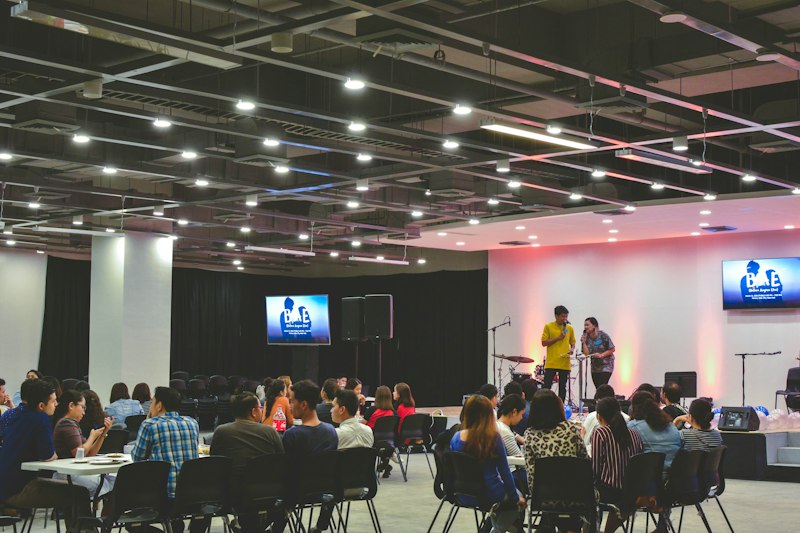
BITAN developed the curriculum in collaboration with the State Government's Women & Child Development Department, ensuring alignment with state education frameworks. A standout component is the district-level 'Kishori Mela' — an annual convergence where club members present community projects, perform skits on gender issues, and meet local government officials.
The programme has achieved a measurable reduction in early marriage incidence in participating villages — from an average of 28% at baseline to 14% at endline — and a statistically significant improvement in girls' school retention rates.
What We Did
- Formation and registration of 150+ Kishori clubs across 8 districts
- Training of 180 peer educators — selected from within participating communities
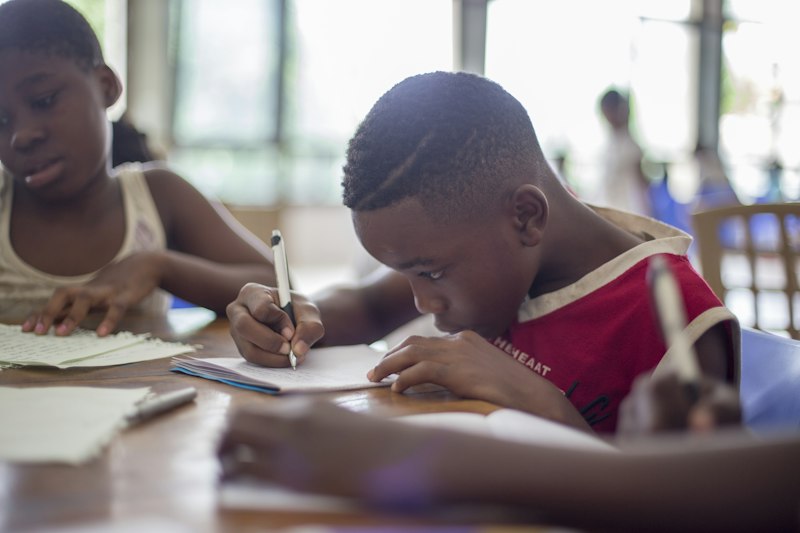
- Weekly club sessions — life skills, health, rights, and career curriculum delivery
- Annual district-level Kishori Mela — convergence, community project presentations, and official engagement
- Child marriage prevention — rapid response team for at-risk girls (18 interventions in 2023–24)
- Menstrual health workshops — MHM kits distributed to 2,400 girls
- Scholarship facilitation — 340 girls linked to government and private scholarship programmes
From the Field
Challenges & How We Addressed Them
Building community acceptance — especially from parents and community elders — for a programme that discusses gender rights and challenges early marriage required sustained relationship-building over many months before club sessions could begin. BITAN trained community mobilisers from within each village to frame the programme in terms of family honour and the daughter's future, rather than social contestation, which significantly improved acceptance rates.
“In our club we talk about things no one at home talks about — our rights, our future, our health. I was supposed to get married at 16. My club didi helped my parents understand why I should finish school first. I am now in Class 11 and want to be a nurse.”
Support Work Like This
Your support helps BITAN design, fund, and scale projects that create lasting change for communities across West Bengal and Tripura.